
Athletics
Khelo Bharat Niti 2025: A blueprint for sporting excellence and nation-building
The policy could be the catalyst that turns the nation’s sporting dreams into reality.
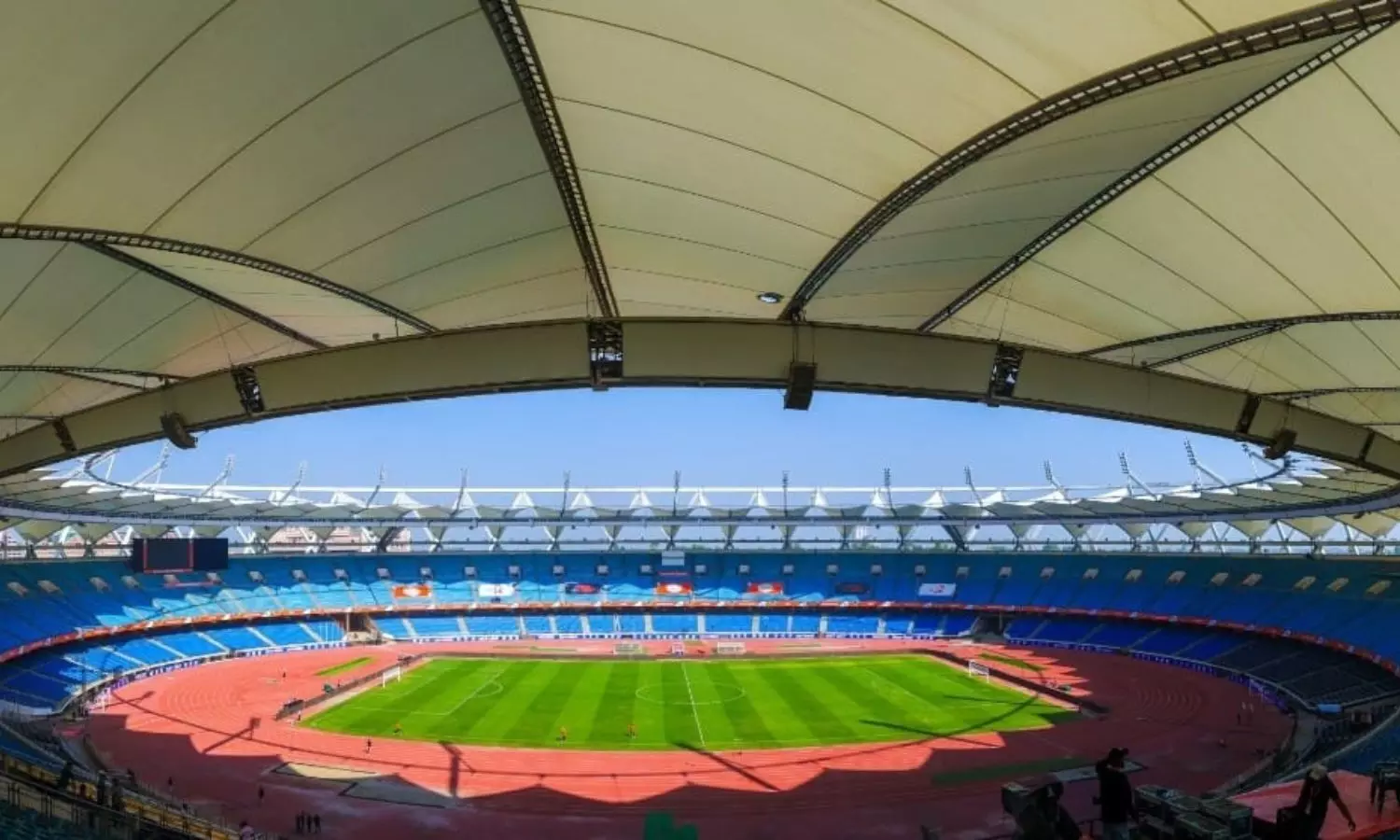
The Khelo Bharat Niti 2025 introduces several actionable measures to achieve its objectives. (Photo credit: SAI)
India’s sporting landscape is poised for a transformative leap with the introduction of the Khelo Bharat Niti 2025 (KBN 2025), a comprehensive framework designed to elevate the country’s status as a global sporting powerhouse.
Building on the draft policy released by the Ministry of Youth Affairs and Sports (MYAS) for public consultation in October last year, the KBN 2025 aligns with the vision of Viksit Bharat (Developed India) and aims to foster a sports ecosystem that promotes excellence, inclusivity, and economic growth.
That being said, it is vital to understand the objectives, provisions, and potential impact of the KBN 2025, while also examining its scope and challenges.
Background and context
India’s sporting journey has witnessed significant strides in recent years, with achievements like the six-medal haul at the Paris Olympics 2024 and seven-medals at the Tokyo Olympics 2020 and a record 107 medals at the Asian Games 2023.
Programs like Khelo India have laid a strong foundation for grassroots talent identification and infrastructure development. However, challenges such as inadequate governance, age fraud, doping, and limited private-sector investment have hindered India’s ability to compete consistently at the global level.
The KBN 2025 seeks to address these gaps by modernizing the sports ecosystem and fostering a culture of sports as a tool for nation-building.
The policy comes at a time when India is eyeing ambitious goals, including hosting major international events like the 2036 Olympics. With a record-breaking sports budget of ₹3,794.30 crore for FY 2025–26, a 17% increase from the previous fiscal year, the government is signaling its commitment to transforming sports into a key driver of economic and social development.
Key objectives of the Khelo Bharat Niti 2025
The KBN 2025 is built on the premise of leveraging sports for excellence on the global stage, economic growth, and social inclusion. Its core objectives include:
1. Promoting Sports as a Mass Movement: The policy emphasizes broad-based participation across all age groups and demographics, aiming to make sports a way of life. This aligns with the Khelo India scheme, which has been extended until 2025–26 to create sustainable physical and social infrastructure for sports.
2. Fostering Excellence in Global Competitions: The KBN 2025 prioritizes creating pathways for Indian athletes to excel in events like the Olympics, Paralympics, and Asian Games. This includes enhanced financial support for top athletes, as announced by the MYAS, and targeted training programs to nurture talent
3. Economic Potential of Sports: Recognizing sports as a viable economic sector, the policy encourages hosting international events in India and promoting sports tourism. It aims to create job opportunities, attract investments, and develop sports-related industries such as equipment manufacturing and sports technology.
4. Strengthening Governance and Ethical Standards: The policy is complemented by the anticipated National Sports Governance Bill 2024, which seeks to reform the functioning of National Sports Federations (NSFs), the Indian Olympic Association (IOA), and the National Olympic Committee (NOC). Union Minister Dr. Mansukh Mandaviya has called for NSFs to prioritize good governance and athlete welfare to ensure transparency and accountability.
5. Combating Age Fraud and Doping: The Draft National Code against Age Fraud in Sports (NCAAFS) 2025 is a significant step toward ensuring fair play. By inviting public feedback, the MYAS aims to create robust mechanisms to prevent age manipulation, which has been a persistent issue in youth sports. Anti-doping measures are also being strengthened to align with international standards.
6. Inclusivity and Accessibility: The policy focuses on making sports accessible to marginalized communities, women, and persons with disabilities. It aims to bridge the urban-rural divide by expanding sports infrastructure in tier-2 and tier-3 cities and rural areas.
Key provisions and initiatives
The Khelo Bharat Niti 2025 introduces several actionable measures to achieve its objectives:
- Enhanced Financial Support: The MYAS has revised grants for NSFs to strengthen the sports ecosystem. Additionally, top athletes preparing for global events receive tailored assistance, including access to world-class coaching and facilities.
- Infrastructure Development: The continuation of the Khelo India scheme ensures the creation of sports facilities at the grassroots level. The policy also encourages public-private partnerships (PPPs) to develop state-of-the-art training centers and stadiums.
- Talent Identification and Nurturing: The Sports Authority of India (SAI) will expand its talent scouting programs, focusing on identifying potential at a young age and providing long-term support through coaching camps and international exposure.
- Hosting International Events: The policy outlines a roadmap for India to bid for and host major events, which will boost the country’s global sporting profile and stimulate economic activity.
- Technology and Innovation: The KBN 2025 promotes the use of technology in sports, including data analytics for performance optimization, sports science, and digital platforms for talent scouting and fan engagement.
Potential impact
The Khelo Bharat Niti 2025 has the potential to redefine India’s sporting landscape. By fostering a culture of sports at the grassroots level, it could lead to healthier lifestyles and greater social cohesion.
Economically, the policy’s focus on sports tourism and industry development could create millions of jobs and position India as a hub for global sporting events. The emphasis on governance reforms and anti-fraud measures will enhance India’s credibility in international sports bodies, paving the way for successful bids to host events like the Olympics.
The increased budget allocation and targeted support for athletes are likely to yield better results in global competitions, building on India’s recent successes. Moreover, the focus on inclusivity ensures that sports become a tool for empowerment, particularly for women and marginalized communities.
The challenges
While the KBN 2025 is ambitious, its success hinges on effective implementation. Previous sports policies in India have faced challenges due to lack of coordination between stakeholders, and inadequate monitoring mechanisms.
The governance reforms proposed in the anticipated National Sports Governance Bill 2024 must be enforced rigorously to address issues like mismanagement in NSFs.
That said, the KBN 2025 is a bold and forward-looking initiative that positions sports as a cornerstone of India’s development agenda. By addressing systemic issues, promoting inclusivity, and leveraging the economic potential of sports, the policy lays the groundwork for India to emerge as a global sporting leader.
However, its success will depend on transparent governance, stakeholder collaboration, and sustained investment. As India gears up for a transformative decade in sports, the KBN 2025 could be the catalyst that turns the nation’s sporting dreams into reality.
For more details on the policy, visit the Ministry of Youth Affairs and Sports website at yas.gov.in