
Others
Explained: What does India’s proposed criminal anti-doping provisions actually say?
The Sports Ministry has proposed amendments to the National Anti-Doping Act to target traffickers, suppliers and organised doping syndicates
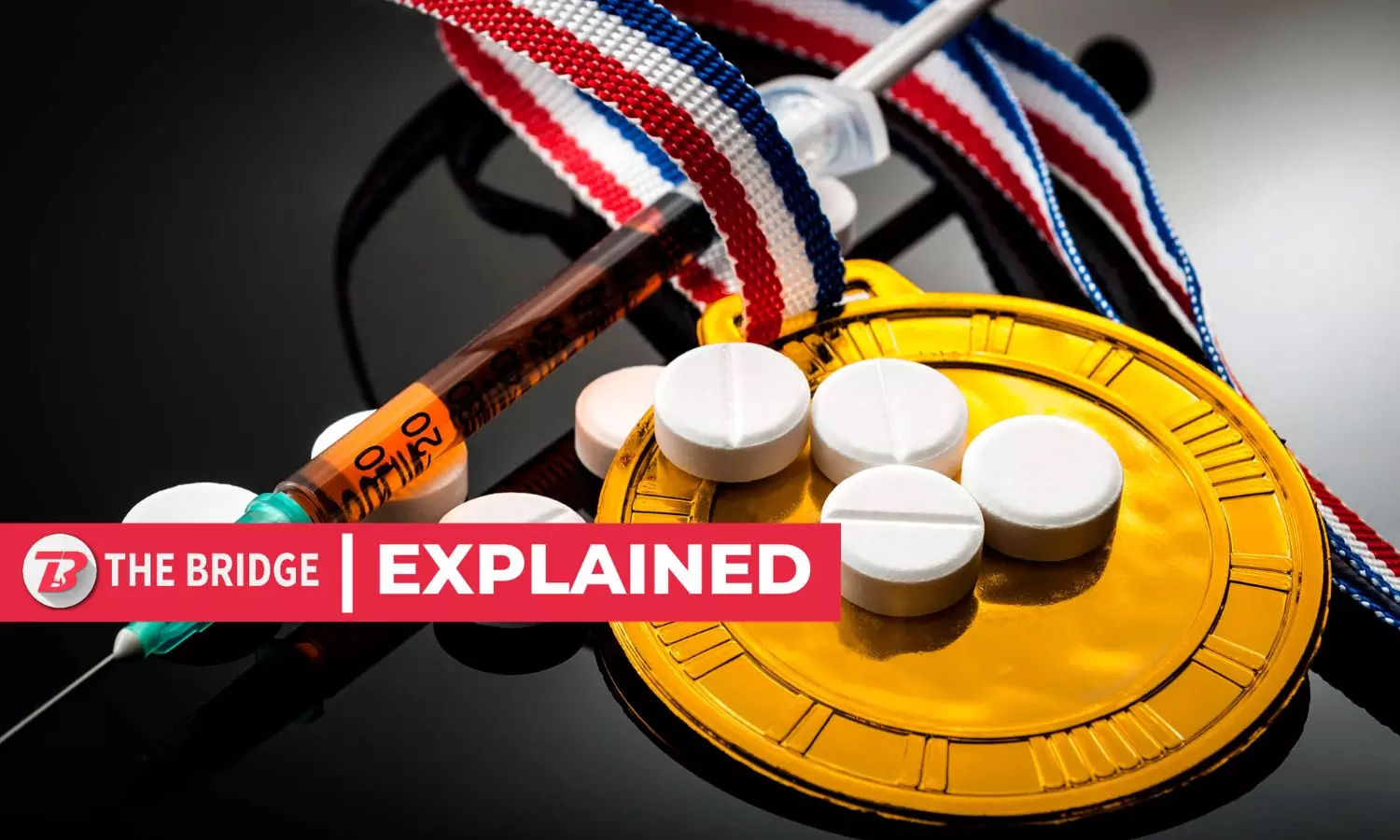
India’s proposed anti-doping law explained (Photo credit: Veolia)
India is preparing for a major shift in how it tackles doping in sport.
The Ministry of Youth Affairs and Sports has placed proposed amendments to the National Anti-Doping Act, 2022, in the public domain for consultation, seeking to criminalise organised doping-related activities such as trafficking, illegal supply, administration and commercial promotion of banned substances.
The consultation process will remain open until June 18, 2026.
At the heart of the proposal is a clear message: the government no longer wants anti-doping enforcement to focus only on athletes who test positive.
Instead, it wants to target the wider ecosystem that enables doping, traffickers, illegal suppliers, organised syndicates, unscrupulous coaches, support personnel and commercial operators profiting from banned substances.
The ministry said the proposed amendments are aimed at addressing the “growing organised ecosystem” involved in the trafficking and illegal distribution of performance-enhancing substances and methods in sport.
Why is this proposal significant?
For years, India’s anti-doping system has largely functioned within the sporting framework.
Athletes who failed tests were punished through suspensions, disqualifications, stripped medals and bans under NADA regulations and the World Anti-Doping Code.
But the current framework has limitations. It can punish athletes who consume banned substances, yet it often struggles to directly tackle the people and networks supplying those substances.
The proposed amendments attempt to bridge that gap by introducing criminal penalties for organised doping activities.
That marks a significant evolution in India’s anti-doping approach. Instead of viewing doping only as an athlete discipline issue, the law would recognise it as a criminal and commercial enterprise in certain situations.
Athletes are not the primary targets
One of the most important clarifications in the proposal is that athletes themselves will not automatically face criminal prosecution merely for failing a doping test.
The ministry has explicitly stated that anti-doping rule violations by athletes will continue to be handled under the existing anti-doping framework unless the athlete is directly involved in criminal activities such as trafficking or organised supply networks.
This distinction is crucial because it separates sporting offences from criminal offences.
In practical terms, an athlete who tests positive may still face suspension or disciplinary action from anti-doping authorities, but would not automatically be treated as a criminal under the proposed framework.
The focus instead is on people who profit from doping, facilitate it systematically or exploit athletes through organised operations.
What exactly could become a criminal offence?
The draft amendments propose a new Chapter VIA titled “Offences and Penalties.”
Under the proposed framework, anyone involved in trafficking, selling, dispensing or illegally supplying prohibited substances or methods for doping purposes could face imprisonment of up to five years, fines up to ₹2 lakh, or both.
The proposal also criminalises administering prohibited substances or methods to athletes for doping purposes.
This provision could potentially apply to coaches, trainers, medical personnel, or support staff found to be knowingly involved in doping practices.
The draft becomes even stricter when minors or organised syndicates are involved.
If prohibited substances are supplied to athletes under 18 years of age, or if the offence is carried out commercially or through an organised crime syndicate, the punishment could extend to 10 years imprisonment and fines up to ₹5 lakh.
The inclusion of organised crime language is notable because it signals the government’s intention to treat systematic doping operations as serious criminal activity rather than isolated sporting violations.
Advertisements and social media promotions may also come under scrutiny.
One of the more modern aspects of the proposed amendments is the attempt to regulate advertisements and paid promotions linked to doping.
The draft proposes punishment for anyone engaging in advertisements or paid promotions encouraging the use of prohibited substances or methods for doping purposes.
This could have implications for influencers, supplement promoters, gym-linked endorsements and online personalities who market performance-enhancing products to athletes or fitness communities.
In recent years, the rise of social media fitness culture and unregulated supplement marketing has complicated anti-doping enforcement globally.
India’s proposal appears to acknowledge that doping promotion today is not confined to locker rooms or underground supply chains but increasingly exists online as well.
Safeguards for athletes and medical practitioners
Even while proposing stricter criminal provisions, the draft also attempts to protect legitimate medical treatment.
Athletes with valid Therapeutic Use Exemptions (TUEs), permissions granted for necessary medical treatment involving otherwise prohibited substances, would remain protected from liability.
Similarly, registered medical practitioners acting in emergency situations would not face criminal prosecution if prohibited substances are administered as part of urgent treatment with the athlete’s consent.
The proposal recognises that anti-doping enforcement cannot interfere with genuine medical care, particularly during emergencies.
Stronger investigative powers
The draft amendments also propose significant enforcement powers for authorised officers.
Officials would be empowered to conduct searches, seize prohibited substances, inspect vehicles and premises, and collect documents or evidence connected to doping offences.
Importantly, the draft states that offences under the proposed chapter would be cognizable and non-bailable.
Since the offences are proposed to be cognizable and non-bailable, law enforcement agencies could exercise arrest powers under applicable criminal procedure provisions.
The proposal also includes provisions related to confidentiality for whistleblowers and individuals reporting information related to doping offences.
Why India may feel the need for tougher laws
India has long struggled with recurring doping cases across several sports, particularly athletics, weightlifting and combat disciplines.
The country frequently records high numbers of anti-doping rule violations in annual statistics published by the World Anti-Doping Agency (WADA), leading to concerns about systemic issues within parts of the sporting ecosystem.
Many experts have argued that athlete suspensions alone are insufficient because they fail to dismantle the networks that supply banned substances or pressure athletes into using them.
Young athletes, particularly those from vulnerable economic backgrounds, are often considered susceptible to exploitation by coaches, trainers or local doping networks promising rapid success.
The proposed amendments appear to be an attempt to shift accountability higher up the chain.
What happens next?
The ministry has invited comments and suggestions from athletes, federations, sports bodies, medical professionals and other stakeholders before finalising the amendments.
If enacted, the amendments could become one of the most consequential changes to India’s anti-doping system since the establishment of the National Anti-Doping Act in 2022.
More importantly, they would signal a philosophical shift in India’s approach, from treating doping solely as an athlete's violation to recognising it as a larger criminal ecosystem that extends far beyond the individual competitor.