
Hockey
Dr. Vece Paes: The quiet titan of Indian sports
An Olympian and sports medicine pioneer, Dr. Paes was patriarch of a sporting dynasty.
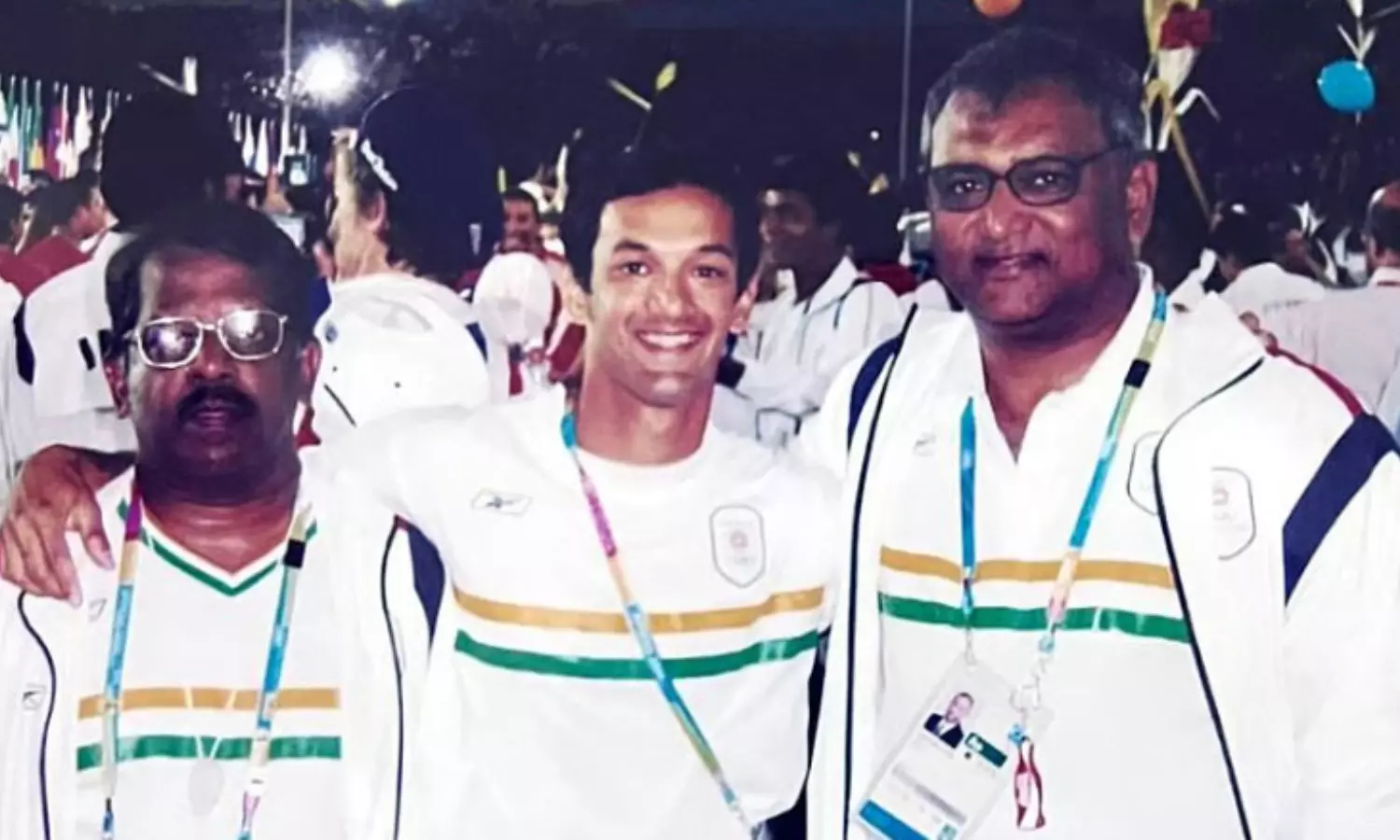
As a physician, Dr. Paes (right) worked closely with the Indian Olympic Association. (Photo credit: X/ @virenrasquinha)
Dr. Vece Paes, who passed away on the morning of 14 August 2025 at the age of 80, leaves behind a legacy that is both wide-ranging and quietly monumental.
His death in Kolkata, following a protracted battle with Parkinson’s disease, marks the loss of one of the most influential yet understated figures in Indian sports.
A natural athlete
Born in April 1945 in Goa, Paes rose to prominence as a midfielder in India’s field hockey team, helping the nation clinch a bronze medal at the 1972 Munich Olympics. It was a time when India was fighting to maintain its stature in a sport it once dominated, and a young Paes’s tactical intelligence and calm under pressure became vital assets.
His performance in Munich ensured that India stayed on the podium, a feat that carried emotional weight for millions back home.
Yet, hockey was only one chapter in his sporting life.
A natural athlete, Paes also played cricket, football, and rugby at competitive levels. This versatility was not just about raw talent; it was a reflection of his all-encompassing passion for sport in every form.
Friends and contemporaries often remarked that Paes seemed as comfortable with a hockey stick as with a cricket bat or a rugby ball.
After retiring from sport, Paes transitioned into a career that would go on to influence Indian sport in a profound manner—sports medicine. Armed with an MBBS degree from the University of Calcutta, he became a pioneering figure in a field that was still emerging in India at the time.
A mentor doctor
He worked closely with the Indian Olympic Association, the Asian Cricket Council, the BCCI, and several other sporting bodies, ensuring athletes had access to world-class medical care.
He was deeply involved in anti-doping education, athlete welfare initiatives, and age-verification programs—often doing the painstaking, behind-the-scenes work that kept the integrity of sport intact.
His administrative acumen also shone through in leadership roles, including his tenure as president of the prestigious Calcutta Cricket and Football Club. In these positions, Paes was known for bringing a modern, professional approach while preserving the heritage of the institutions he served.
The Paes legacy is perhaps most visibly carried forward by his family.
His wife, Jennifer Paes was herself a national basketball player who captained the Indian women’s team. Their son, Leander Paes, became one of India’s most celebrated tennis players, winning an Olympic bronze in Atlanta 1996 and multiple Grand Slam doubles titles.
Together, Vece and Leander formed one of India’s rare father-son duos to have won Olympic medals in different sports—a feat that speaks to both sporting talent and the values instilled at home.
Leander has often credited his father’s discipline, resilience, and unwavering belief as the foundation of his own career.
Anecdotes about Dr. Paes reveal the warmth and humour behind his reserved exterior.
The 'lucky mascot'
At Davis Cup matches, he was affectionately known as a “lucky mascot” for the Indian tennis team—whenever he was in the stands, victories seemed to follow. Those who worked alongside him in medical teams recall his ability to calm injured athletes with a reassuring presence, often blending medical precision with a mentor’s wisdom. And for younger sports administrators, he was a patient guide, eager to share knowledge and nurture the next generation of leaders.
Dr. Paes’s influence on Indian sport rests on several intertwined legacies: as an Olympian who brought home a medal during a pivotal era; as a medical pioneer who professionalized athlete care; as an administrator who safeguarded the ethics and heritage of sport; and as a patriarch whose family continued to bring glory to the nation.
Through it all, he maintained a humility that belied the scale of his contributions.
In many ways, Dr. Paes embodied the idea that true influence is not about constant visibility, but about creating systems, values, and examples that endure.
His was a career built not just on personal achievement, but on the success and well-being of others. As Indian sport continues to grow in professionalism and global competitiveness, much of its current foundation bears the quiet footprint of his work.
His passing leaves a void that will be felt across disciplines—from hockey fields to tennis courts, from medical rooms to administrative boardrooms. But his story will endure, not just in the Olympic archives and sporting fields, but in the ethos of Indian sport itself: a blend of passion, integrity, and service.