
Athletics
AFI bars athletes trained by unregistered coaches from national honours
Federation tightens rules to combat doping; warns of blacklisting and policy enforcement
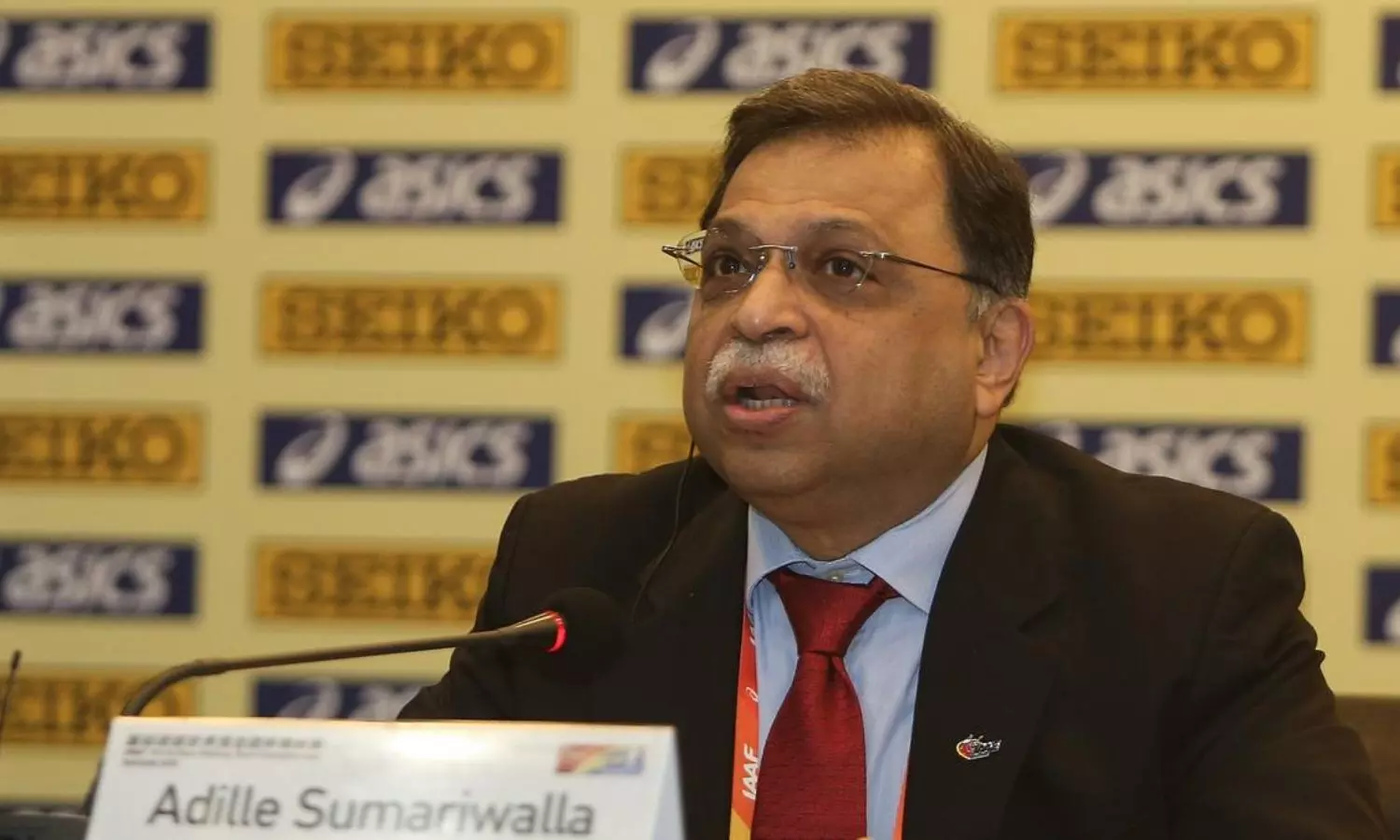
World Athletics Vice President Adille Sumariwalla (Photo credit: Getty Images)
The Athletics Federation of India (AFI) has taken a decisive step to clamp down on doping in athletics by announcing that athletes who train under unregistered coaches will not be recommended for prestigious national awards, including the Arjuna and Khel Ratna. This move is part of a broader effort to enforce accountability and transparency within the sport.
Recognizing the recurring role of coaches in doping scandals, the AFI has made it mandatory for all coaches, whether certified or uncertified, to register with the federation by July 31, 2025. Any coach who fails to comply will be blacklisted and prohibited from participating in any AFI activities, including athlete training and event involvement.
“We’re encouraging all coaches to come forward and register. Once the deadline passes, we’ll publicly release a list of recognized coaches. Anyone not on that list will be blacklisted,” AFI spokesperson Adille Sumariwalla told PTI.
Sumariwalla further clarified that the consequences extend to the athletes themselves: “If an athlete chooses to train under someone not officially registered with us, they’ll no longer be eligible for national awards, regardless of performance. Sadly, it’s not just coaches; even some parents are complicit in doping today.”
Currently serving as a vice president of World Athletics, Sumariwalla is a vocal proponent of criminal penalties for doping violations, a provision still absent in India’s National Anti-Doping Act of 2022.
“We need stronger deterrents. Until offenders are sent to jail, people won’t take this issue seriously. Just banning athletes for a few years doesn’t work, they often admit guilt to reduce their suspensions, and then return to the system. That cycle needs to end,” he stated.
During its Annual General Meeting (AGM) in January in Chandigarh, the AFI resolved to make coach registration compulsory. Coaches who comply will be issued a unique registration number and official identity card. Only those recognized by the AFI will be permitted to train athletes moving forward.
The federation is also preparing to launch a dedicated anti-doping cell. This unit will investigate coaches suspected of facilitating doping and identify training centres believed to be “safe zones” for violators. Intelligence gathered will be shared with the National Anti-Doping Agency (NADA) and the Athletics Integrity Unit (AIU) under World Athletics.
Sumariwalla also commented on the recently approved Khelo Bharat Niti (National Sports Policy), which focuses on clean governance, infrastructure development, and sports science. He lauded the structure of the policy but emphasized that effective implementation is what truly matters.
“The policy is well thought-out. It highlights key pillars like excellence, infrastructure, science, social impact, and the business of sport. But in India, the challenge has always been turning policy into action. That’s where we need to succeed.”
Through these measures, the AFI aims to reinforce the message that integrity in sport begins with accountability—from the top coaches down to grassroots-level trainers. The federation’s tough stance signals a zero-tolerance approach to doping, starting with the support ecosystem around athletes.