
Asian Games
Asian Games 2026: Indian gamers rise above prejudices to fly to Aichi-Nagoya
Once dismissed by many families as nothing more than a leisure activity with no viable career prospects, gaming is now taking Indian youngsters to the Asian Games.
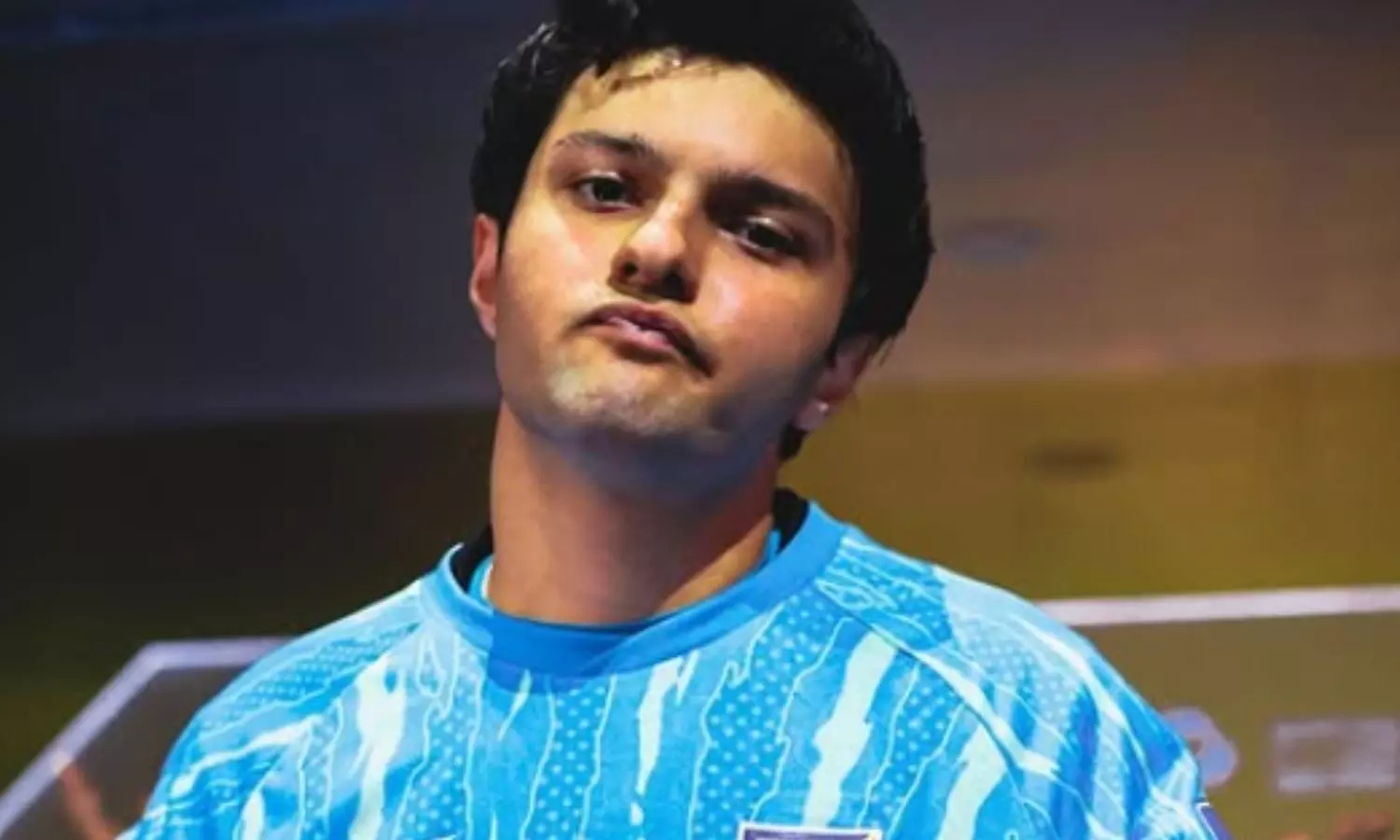
Danial Patel
Once dismissed by many families as nothing more than a leisure activity with no viable career prospects, gaming is now taking Indian youngsters to the Asian Games, with the country's esports contingent aiming for a strong showing in Nagoya thanks to rigorous training and professional support.
Indian players are putting in long hours, facing international opponents in practice matches and working with experienced coaches, seeking to establish themselves on the continental stage. The esports competition in this year's Asian Games will have 11 medal events, four more than the last edition.
For Pokemon Unite player Adnan Badshah, changing the perception of esports within families remains one of the biggest challenges.
"One of the major challenges is that family is not easily convinced that there can be a future in mobile or PC games. If you are a cricketer or an athlete of any traditional sport, family and relatives are more inclined to support you.
"But to get support in this is very difficult," Badshah said on the sidelines of an Indian Olympic Association send-off event for the 503-strong Indian contingent.
The growing professional structure around esports, however, is helping players believe that the discipline can eventually achieve mainstream sporting status in India.
"The scene is growing slowly. I am assuming that in the next four-five years esports will be as big as sports in general in India," Badshah said.
The players are backing up that confidence with demanding preparation.
League of Legends player Aakash Shandilya, who will compete at his second Asian Games after featuring in the 2023 edition, said India's preparation this time has been more organised and professional.
"Last time we had prepared for around six months to one year, but this time we have been coached throughout. We have had a coach, we have had the experience, and the Esports Federation of India has been helping us throughout," Shandilya said.
The League of Legends team conducts daily scrimmages, or "scrims", against teams from South and Southeast Asia, including neighbouring countries, with four to five hours devoted to practice matches followed by another five to six hours of individual training.
"It has been tough, but it is a lot more polished this time around and we also have the best players from our country for their specific roles," Shandilya said.
He has set his sights firmly on the podium.
"The main goal is to get a medal for sure. We are looking to finish better this time," he said.
International expertise is also playing a role in India's preparations.
Paritosh, who will compete in Puyo Puyo Champions, said the game's Japanese publisher SEGA is providing coaching and training sessions to athletes preparing for the Asian Games.
"We are making strategies on how to counter strong teams like Japan, South Korea and Taiwan," he said.
For efootball player Danial Patel, who is making his Asian Games debut, the ambition is even more specific , gold.
"I have come here only with one aim, which is to win the gold medal. Anything other than that is just a failure for me," Patel said.
Patel is also balancing his esports training with academics, a familiar challenge for young Indian athletes trying to pursue gaming professionally.
"As you know, the Indian parents' mentality is that you have to balance your academics as well. As an esports athlete myself, I am balancing it well. I am giving enough time to esports as well as my studies," he said.
The opportunity to represent India, Patel said, has made the stakes even higher.
"We have got the opportunity now from the Government of India to present our talent on the international stage, on the Asian stage. As athletes, we have to showcase our talent. This is the time for us, so yes, eyes are on the medal," he said.
For a generation that has spent years defending gaming as more than a hobby, Nagoya offers an opportunity to make that argument on the biggest stage yet.
(Except for the headline, this story has not been edited by The Bridge Desk. It is published from a syndicated feed.)